We don’t transport loaded containers. Any container moved by our trucks has to be empty. If you need to relocate a loaded container, you’ll need to empty it before we pick it up — or arrange separate specialty transport.

57+
Years In Business
15+
BRANCH LOCATIONS
4
GENERATIONS OF SERVICE

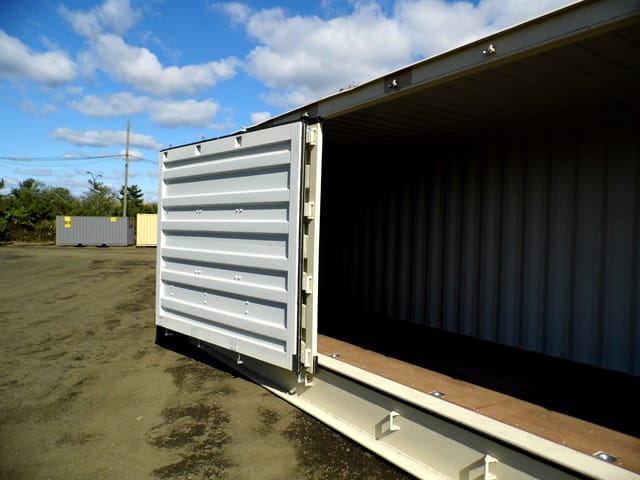

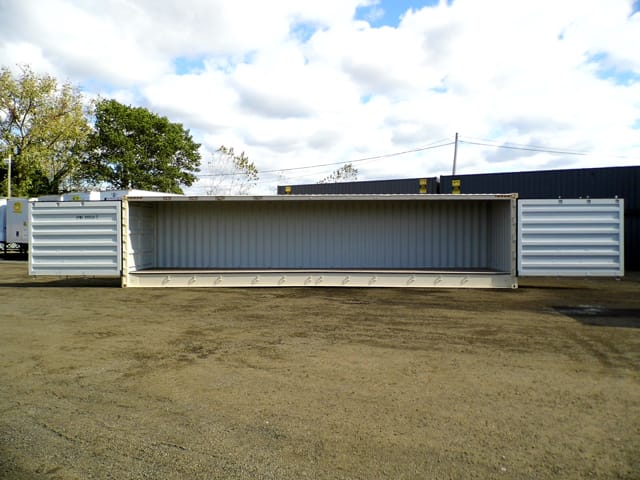
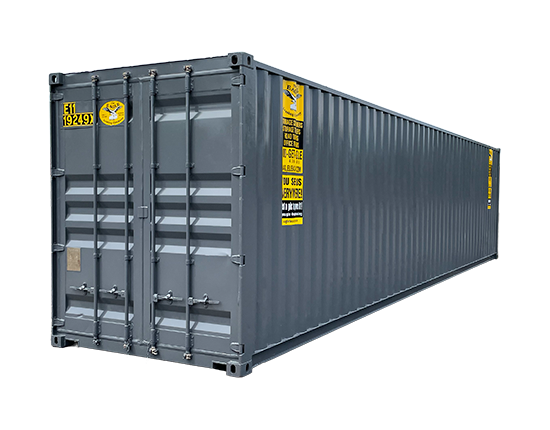
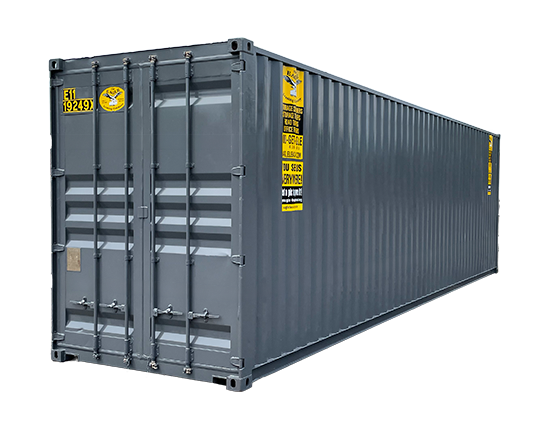
Maximum storage, maximum access. The 40-foot open side container opens up almost the entire length of the container from the side, giving you unmatched flexibility for loading, unloading, and organizing even the largest or most awkward cargo. Door opening positions of 10′, 20′, 30′, or the full 40′ side let you dial in exactly how much access you need. Built from heavy-duty steel with marine plywood flooring, it’s tough, weathertight, and ready for just about any application you can throw at it.
Full Side Access Across 40 Feet The side opens in sections: 10 ft, 20 ft, 30 ft, or the full 40 ft, giving you precise control over how much of the container you expose at any given time. Two door openings work similarly to standard storage containers for familiar, easy operation.
180 or 270 Degree Swing Doors The full side access door opens to either 180 or 270 degrees, so you can swing it as wide as your loading situation requires.
Heavy-Duty Steel Construction Built with the same reinforced corrugated steel exterior and marine-grade plywood floor as our standard 40ft containers, freshly painted and ready for demanding, heavy-use environments.
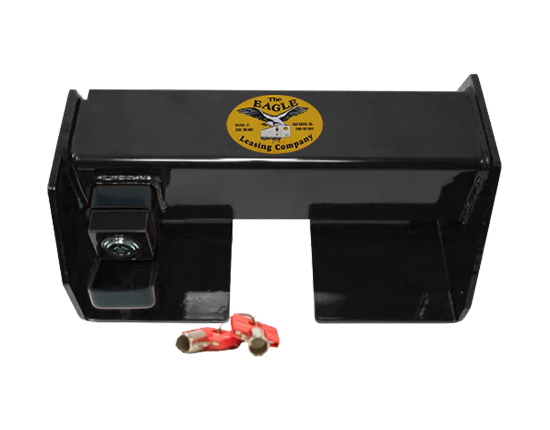
Secure Locking System At least two Eagle Locks are required to secure the container: one over the center locking bars on the side door opening and one for each end door, giving you layered security across all access points.
Handle Oversized Loads with Confidence With 40 feet of potential side access, this container is built for serious industrial and commercial use: timber, heavy machinery, scrap metal, piping, concession stands, and any other cargo that is too large or too awkward for a standard end-door container.
Faster, Safer Loading Operations Side loading lets your crew work more efficiently, especially with forklifts or when handling long materials. No more angling oversized items through a narrow opening or wasting time repositioning loads.
Open as Much or as Little as You Need The sectional door openings mean you are not committed to exposing the entire container every time. Open 10 ft for a quick pull, or throw it all the way open for a full pallet or machinery load.
The Same Eagle Leasing Reliability Freshly painted, built to last, and delivered directly to your site. Add Contents Insurance or a Damage Waiver for peace of mind on high-value or hard-to-replace cargo.

We don’t transport loaded containers. Any container moved by our trucks has to be empty. If you need to relocate a loaded container, you’ll need to empty it before we pick it up — or arrange separate specialty transport.
Structurally, yes — shipping containers are built to stack nine high when fully loaded. On a rental unit, stacking requires written approval from Eagle Leasing and proper stacking equipment, since moving and securing containers vertically is a specialized operation. If stacking is part of your plan, talk to your sales rep.
Eagle Locks are built mainly for storage containers and for swing (barn door) trailers. For overhead roll-up doors on trailers, a different style of lock (typically a puck-style hockey lock) is the right call. Ask your sales rep and we’ll match the right lock to the door type.
Open side containers have a series of hinged cargo doors running the length of one side. The doors swing outward on hinges, usually in several panels, so you can open the whole side or just part of it. Each panel has its own locking rod and secures with a standard container lock.
A 48 foot trailer holds about 24 standard pallets on the floor. A 53 foot trailer holds about 26. Stack pallets or use racking and you can push those numbers up significantly. The limit is usually interior height (about 9 feet) and weight capacity, not floor space.
A storage container sits at ground level, is made of steel, and is built for long-term on-site storage. A storage trailer sits at dock height on wheels, has a wood floor, and is built for loading and unloading with a forklift or pallet jack at a dock. Containers are the right pick for secure ground-level storage — available across our full branch network. Trailers are the right pick when dock access matters — stocked at select branches based on regional demand.
Nothing, really. Connex (short for Container Express) is a term the U.S. military coined in the 1950s and it’s still used in some industries and regions. When people say connex box, they usually mean a standard steel shipping container — which is exactly what Eagle Leasing rents and sells.
Our storage trailers have spring brakes that engage automatically when the trailer is disconnected, and drivers chock the wheels as part of standard drop-and-hook procedure. On a level or gently sloped site, the trailer stays put. On a steep slope, we don’t recommend dropping a trailer at all. Tell us about your site conditions before delivery and we’ll assess.
Start with two questions: how much space do you need, and how long do you need it? For tools, materials, or inventory at a single location, a 10, 20, or 40 foot storage container is usually the right call — available across our full branch network. If you’re loading and unloading at a dock, a storage trailer gives you dock height. If you need a workspace, an office container or office trailer is the fit. Storage trailers and office trailers are stocked at select branches, so availability depends on your location. Our Buyer’s Guide walks through each use case, and a quick call to 1-800-GET-EAGLE puts you in touch with a local rep who can size it up with you.